
Civic Assembly

Share Civic Assembly on Facebook Share Civic Assembly on Twitter Share Civic Assembly on Linkedin Email Civic Assembly link

A new process for engaging the community in policy making!

What Is a Civic Assembly?

A civic assembly is a group of community members brought together to learn about an issue, discuss it thoughtfully, and make recommendations to the Edgewater City Council. Participants are typically selected through a random, representative process so the group reflects the broader community, not just the most vocal voices.

Civic assemblies are designed to complement traditional decision making, not replace it. They help ensure that complex or controversial issues are shaped by informed public input.

Why Use a Civic Assembly?

Communities face increasingly complex challenges, from public safety technology to housing, infrastructure, and climate. Civic assemblies provide a structured, fair, and transparent way to:

  • Build public trust in decisions
  • Include voices that are often underrepresented
  • Move beyond polarized debates
  • Ground decisions in shared learning and real community values

How It Works

1. Selection: A diverse group of community members are randomly selected to reflect the community’s demographics (age, gender, income, home ownership, etc.).

2. Learning: Participants receive balanced, expert informed information about the issue. This often includes presentations, data, and stakeholder perspectives.

3. Deliberation: Facilitated small group discussions allow participants to explore tradeoffs, ask questions, and consider different viewpoints.

4. Recommendation: The assembly develops a set of recommendations, often through consensus or voting.

5. Decision & Response: Elected officials or agencies review the recommendations and utilize in the final decision making process.

What Makes a Civic Assembly Different?

Unlike public meetings or surveys, civic assemblies:

  • Prioritize depth over speed
  • Provide participants time to learn before forming opinions
  • Are facilitated to ensure respectful, balanced discussion
  • Reflect the broader community, not just those who opt in or speak loudly

Benefits to the Community

Better Decisions
Recommendations are informed, balanced, and grounded in real-world perspectives.

Stronger Legitimacy
Decisions carry greater public confidence when residents are meaningfully involved.

More Inclusive Participation
Random selection brings in voices that are often missing from traditional engagement.

A new process for engaging the community in policy making!

What Is a Civic Assembly?

A civic assembly is a group of community members brought together to learn about an issue, discuss it thoughtfully, and make recommendations to the Edgewater City Council. Participants are typically selected through a random, representative process so the group reflects the broader community, not just the most vocal voices.

Civic assemblies are designed to complement traditional decision making, not replace it. They help ensure that complex or controversial issues are shaped by informed public input.

Why Use a Civic Assembly?

Communities face increasingly complex challenges, from public safety technology to housing, infrastructure, and climate. Civic assemblies provide a structured, fair, and transparent way to:

  • Build public trust in decisions
  • Include voices that are often underrepresented
  • Move beyond polarized debates
  • Ground decisions in shared learning and real community values

How It Works

1. Selection: A diverse group of community members are randomly selected to reflect the community’s demographics (age, gender, income, home ownership, etc.).

2. Learning: Participants receive balanced, expert informed information about the issue. This often includes presentations, data, and stakeholder perspectives.

3. Deliberation: Facilitated small group discussions allow participants to explore tradeoffs, ask questions, and consider different viewpoints.

4. Recommendation: The assembly develops a set of recommendations, often through consensus or voting.

5. Decision & Response: Elected officials or agencies review the recommendations and utilize in the final decision making process.

What Makes a Civic Assembly Different?

Unlike public meetings or surveys, civic assemblies:

  • Prioritize depth over speed
  • Provide participants time to learn before forming opinions
  • Are facilitated to ensure respectful, balanced discussion
  • Reflect the broader community, not just those who opt in or speak loudly

Benefits to the Community

Better Decisions
Recommendations are informed, balanced, and grounded in real-world perspectives.

Stronger Legitimacy
Decisions carry greater public confidence when residents are meaningfully involved.

More Inclusive Participation
Random selection brings in voices that are often missing from traditional engagement.

  • Civic Assembly: Use of Automated License Plate Readers in Edgewater

    Share Civic Assembly: Use of Automated License Plate Readers in Edgewater on Facebook Share Civic Assembly: Use of Automated License Plate Readers in Edgewater on Twitter Share Civic Assembly: Use of Automated License Plate Readers in Edgewater on Linkedin Email Civic Assembly: Use of Automated License Plate Readers in Edgewater link

    Why is the City holding a Civic Assembly?
    The City of Edgewater is taking a closer look at its use of Automated License Plate Reader (ALPR) cameras to determine if they are still serving our community in the best way.

    These cameras can help law enforcement:

    • Locate stolen vehicles
    • Identify vehicles connected to crimes
    • Support investigations

    At the same time, they raise important questions about:

    • Privacy
    • How data is stored and used
    • Who has access to that information
    • Overall community trust

    The City wants to better understand whether the public safety benefits outweigh these concerns.


    What will the Civic Assembly do?
    The Civic Assembly will bring community members together to:

    • Learn how the technology works
    • Review how it’s currently used in Edgewater
    • Discuss concerns and priorities
    • Help guide future decisions about the program

    This includes evaluating:

    • Whether safeguards around data use are strong enough
    • If additional local protections should be put in place
    • Whether continuing the current program aligns with community values and City goals

    What is the current situation?

    • Edgewater currently has six license plate reader cameras installed across the city
    • The City is in year three of a five-year contract with Flock Safety

    What decisions are being considered?
    The City is deciding whether to:

    • Continue using the technology as-is
    • Make changes to policies or safeguards
    • Explore alternative approaches

    While federal and state laws already provide protections against unreasonable searches, the City can choose to adopt additional local rules around:

    • Data access
    • Data retention (how long information is kept)
    • Data sharing with outside agencies
    • Oversight and accountability

    Why resident input matters
    This decision affects everyone, residents, visitors, and local businesses. The Civic Assembly is an opportunity for the community to help shape how Edgewater balances public safety, privacy, transparency, and fairness moving forward.

    Learn how to apply for this Civic Assembly

    Why is the City holding a Civic Assembly?
    The City of Edgewater is taking a closer look at its use of Automated License Plate Reader (ALPR) cameras to determine if they are still serving our community in the best way.

    These cameras can help law enforcement:

    • Locate stolen vehicles
    • Identify vehicles connected to crimes
    • Support investigations

    At the same time, they raise important questions about:

    • Privacy
    • How data is stored and used
    • Who has access to that information
    • Overall community trust

    The City wants to better understand whether the public safety benefits outweigh these concerns.


    What will the Civic Assembly do?
    The Civic Assembly will bring community members together to:

    • Learn how the technology works
    • Review how it’s currently used in Edgewater
    • Discuss concerns and priorities
    • Help guide future decisions about the program

    This includes evaluating:

    • Whether safeguards around data use are strong enough
    • If additional local protections should be put in place
    • Whether continuing the current program aligns with community values and City goals

    What is the current situation?

    • Edgewater currently has six license plate reader cameras installed across the city
    • The City is in year three of a five-year contract with Flock Safety

    What decisions are being considered?
    The City is deciding whether to:

    • Continue using the technology as-is
    • Make changes to policies or safeguards
    • Explore alternative approaches

    While federal and state laws already provide protections against unreasonable searches, the City can choose to adopt additional local rules around:

    • Data access
    • Data retention (how long information is kept)
    • Data sharing with outside agencies
    • Oversight and accountability

    Why resident input matters
    This decision affects everyone, residents, visitors, and local businesses. The Civic Assembly is an opportunity for the community to help shape how Edgewater balances public safety, privacy, transparency, and fairness moving forward.

    Learn how to apply for this Civic Assembly

  • What will this Civic Assembly on ALPRs require?

    Share What will this Civic Assembly on ALPRs require? on Facebook Share What will this Civic Assembly on ALPRs require? on Twitter Share What will this Civic Assembly on ALPRs require? on Linkedin Email What will this Civic Assembly on ALPRs require? link

    The Civic Assembly will be made up of a diverse group of Edgewater residents, selected to reflect the broader community. The goal is to create a group that closely mirrors Edgewater’s demographics based on 2024 Census data, such as age, race and ethnicity, gender, and other key characteristics.

    These demographic targets are intended to guide the selection process, helping ensure a balanced and representative group. However, final participation will depend on who volunteers and completes the selection process, so the exact makeup of the Assembly may vary.

    Participants will be required to meet three times in June (details below). Please note that you must be available for all 3 dates listed to be selected.

    Event Details

    Dates: June 8, 19, 29 (4-8pm)

    Location: TBA

    Time Commitment: 7 hours

    Compensation (if applicable): Participants will be paid $21.88/ hour

    Child Care and Language Assistance will be provided

    If you are interested in participating, please fill out the quick survey: https://www.surveymonkey.com/r/TFNPRCQ

    The Civic Assembly will be made up of a diverse group of Edgewater residents, selected to reflect the broader community. The goal is to create a group that closely mirrors Edgewater’s demographics based on 2024 Census data, such as age, race and ethnicity, gender, and other key characteristics.

    These demographic targets are intended to guide the selection process, helping ensure a balanced and representative group. However, final participation will depend on who volunteers and completes the selection process, so the exact makeup of the Assembly may vary.

    Participants will be required to meet three times in June (details below). Please note that you must be available for all 3 dates listed to be selected.

    Event Details

    Dates: June 8, 19, 29 (4-8pm)

    Location: TBA

    Time Commitment: 7 hours

    Compensation (if applicable): Participants will be paid $21.88/ hour

    Child Care and Language Assistance will be provided

    If you are interested in participating, please fill out the quick survey: https://www.surveymonkey.com/r/TFNPRCQ

  • Automated License Plate Readers (ALPRs) FAQs

    Share Automated License Plate Readers (ALPRs) FAQs on Facebook Share Automated License Plate Readers (ALPRs) FAQs on Twitter Share Automated License Plate Readers (ALPRs) FAQs on Linkedin Email Automated License Plate Readers (ALPRs) FAQs link
    supporting image

    What are Automated License Plate Reader (ALPRs)?

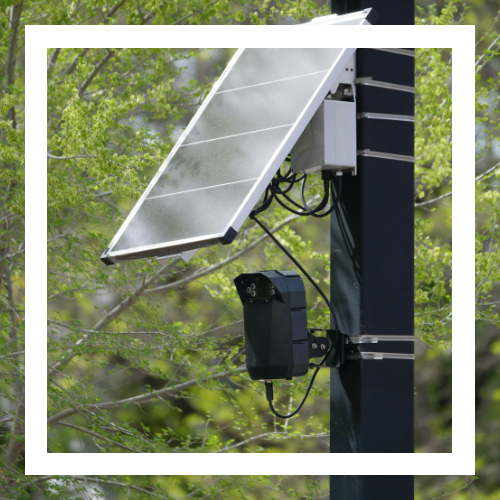
    ALPRs are cameras that capture still images of passing vehicles, including the license plate number, vehicle make and color, and certain unique, distinguishing details (bumper stickers, roof racks, damage, etc.). This information is then transmitted securely to a database that Edgewater Police Officers can search. The City of Edgewater owns this information and does not sell it to third parties.

    The cameras do not identify people, gender, or race/ethnicity. They do not record video and do not use facial recognition technology. They do not record or store driver or vehicle owner information.

    Does the City of Edgewater use APLRs?

    Yes. The City has a contract with Flock Safety, which provides six ALPRs that are mounted in fixed locations around the city. Members of the Edgewater Police Department who have been trained may conduct searches in the database. The search must be related to official and legitimate law enforcement business and may not be used for unauthorized purposes. Prohibited uses include searches related to immigration enforcement or reproductive rights.

    Why does the Edgewater Police Department use ALPRs?

    ALPRs provide real-time alerts to officers and can also be used to generate investigative leads in criminal investigations. The cameras serve as a “force multiplier” that allows officers to work more effectively and efficiently. Officers receive real-time alerts, via the Colorado Crime Information Center, regarding vehicles of interest. This includes vehicles that are stolen, have stolen plates, are associated with wanted parties, or are associated with missing persons.

    Edgewater Police Officers have responded to these alerts and recovered stolen vehicles and arrested criminals. Investigators also use ALPRs to generate investigative leads regarding vehicles used in crimes.

    Who can search data obtained by Edgewater ALPRs?

    Trained and approved members of the Edgewater Police Department may conduct searches within the Flock System. Every search conducted identifies the person conducting the search and requires that the user provide a legitimate reason for the search. This information is logged and is regularly audited.

    Recognizing that criminals routinely travel between many jurisdictions, the Edgewater Police Department shares access to its cameras with a number of other law enforcement agencies in Colorado, and other agencies likewise provide us with access to their cameras. Edgewater PD does not allow access to its cameras by agencies outside of Colorado or by the federal government. Edgewater PD chooses whom to share access with. These searches are also logged and regularly audited.

    What safeguards are in place to protect privacy and civil rights?

    The Edgewater Police Department is committed to using any technology in a responsible manner that respects our community’s values and privacy. Data gathered by ALPRs is automatically deleted after thirty days unless it has become part of a criminal investigation. Policies are in place to ensure that searches are only conducted for legitimate, law enforcement purposes and personnel must undergo training before becoming users. Audits of searches are regularly conducted.


    What are Automated License Plate Reader (ALPRs)?

    ALPRs are cameras that capture still images of passing vehicles, including the license plate number, vehicle make and color, and certain unique, distinguishing details (bumper stickers, roof racks, damage, etc.). This information is then transmitted securely to a database that Edgewater Police Officers can search. The City of Edgewater owns this information and does not sell it to third parties.

    The cameras do not identify people, gender, or race/ethnicity. They do not record video and do not use facial recognition technology. They do not record or store driver or vehicle owner information.

    Does the City of Edgewater use APLRs?

    Yes. The City has a contract with Flock Safety, which provides six ALPRs that are mounted in fixed locations around the city. Members of the Edgewater Police Department who have been trained may conduct searches in the database. The search must be related to official and legitimate law enforcement business and may not be used for unauthorized purposes. Prohibited uses include searches related to immigration enforcement or reproductive rights.

    Why does the Edgewater Police Department use ALPRs?

    ALPRs provide real-time alerts to officers and can also be used to generate investigative leads in criminal investigations. The cameras serve as a “force multiplier” that allows officers to work more effectively and efficiently. Officers receive real-time alerts, via the Colorado Crime Information Center, regarding vehicles of interest. This includes vehicles that are stolen, have stolen plates, are associated with wanted parties, or are associated with missing persons.

    Edgewater Police Officers have responded to these alerts and recovered stolen vehicles and arrested criminals. Investigators also use ALPRs to generate investigative leads regarding vehicles used in crimes.

    Who can search data obtained by Edgewater ALPRs?

    Trained and approved members of the Edgewater Police Department may conduct searches within the Flock System. Every search conducted identifies the person conducting the search and requires that the user provide a legitimate reason for the search. This information is logged and is regularly audited.

    Recognizing that criminals routinely travel between many jurisdictions, the Edgewater Police Department shares access to its cameras with a number of other law enforcement agencies in Colorado, and other agencies likewise provide us with access to their cameras. Edgewater PD does not allow access to its cameras by agencies outside of Colorado or by the federal government. Edgewater PD chooses whom to share access with. These searches are also logged and regularly audited.

    What safeguards are in place to protect privacy and civil rights?

    The Edgewater Police Department is committed to using any technology in a responsible manner that respects our community’s values and privacy. Data gathered by ALPRs is automatically deleted after thirty days unless it has become part of a criminal investigation. Policies are in place to ensure that searches are only conducted for legitimate, law enforcement purposes and personnel must undergo training before becoming users. Audits of searches are regularly conducted.


Page last updated: 14 May 2026, 10:08 AM