

What’s Beneath Our Streets: Ductile Iron and CA Pipes
For decades, Edgewater’s underground water system was built using materials that were considered state-of-the-art for their time: ductile iron and cement-asbestos (CA) pipe.
Ductile iron came into use around the 1950s as a tougher, more flexible version of cast iron. It’s strong and can handle pressure, but over time it still suffers from corrosion, joint failures, and mineral buildup, especially where soil conditions are aggressive or protective coatings have worn away. It is estimated that Edgewater has about half a mile of iron pipe that will cost $1.39 million to replace.
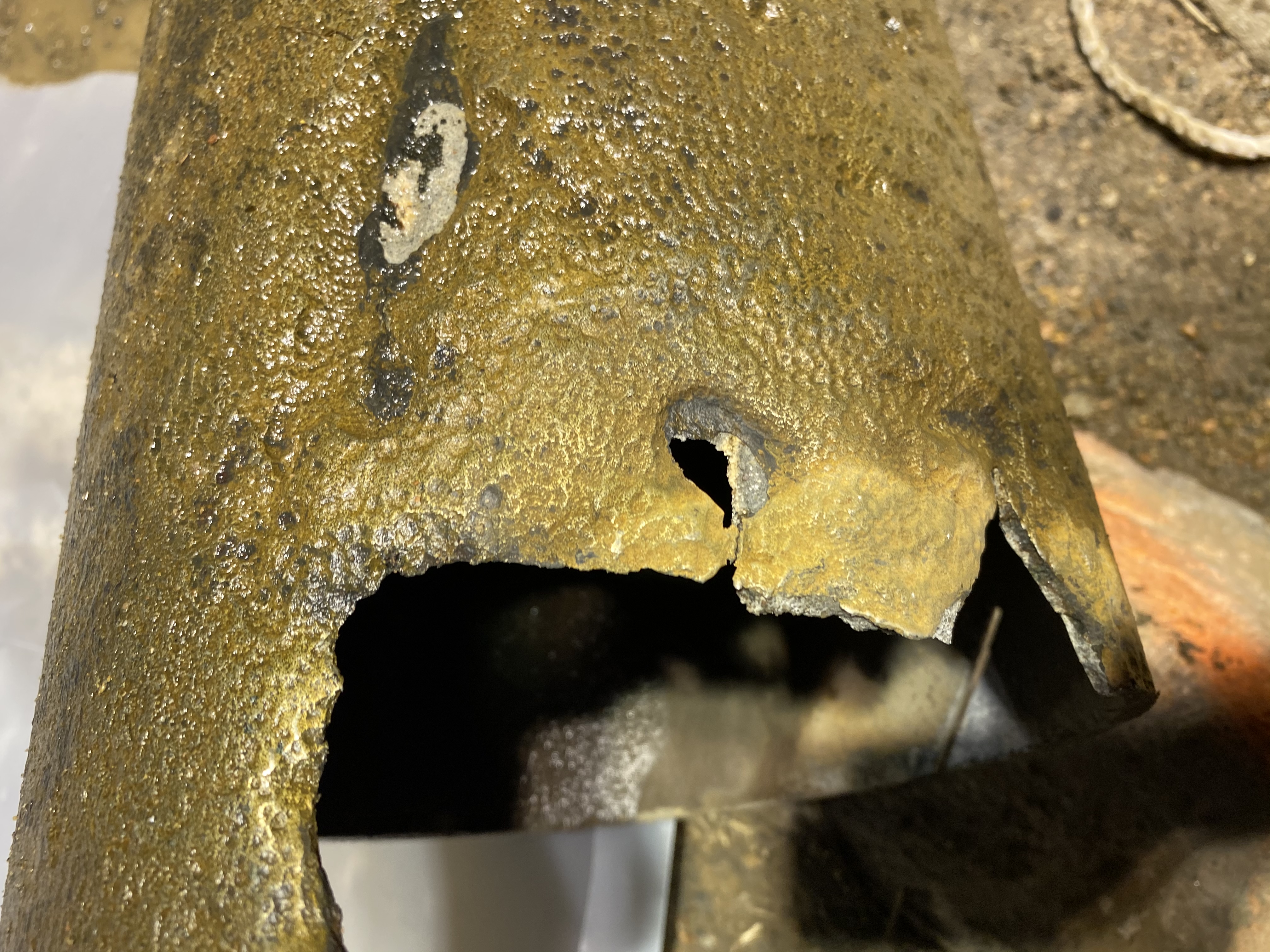
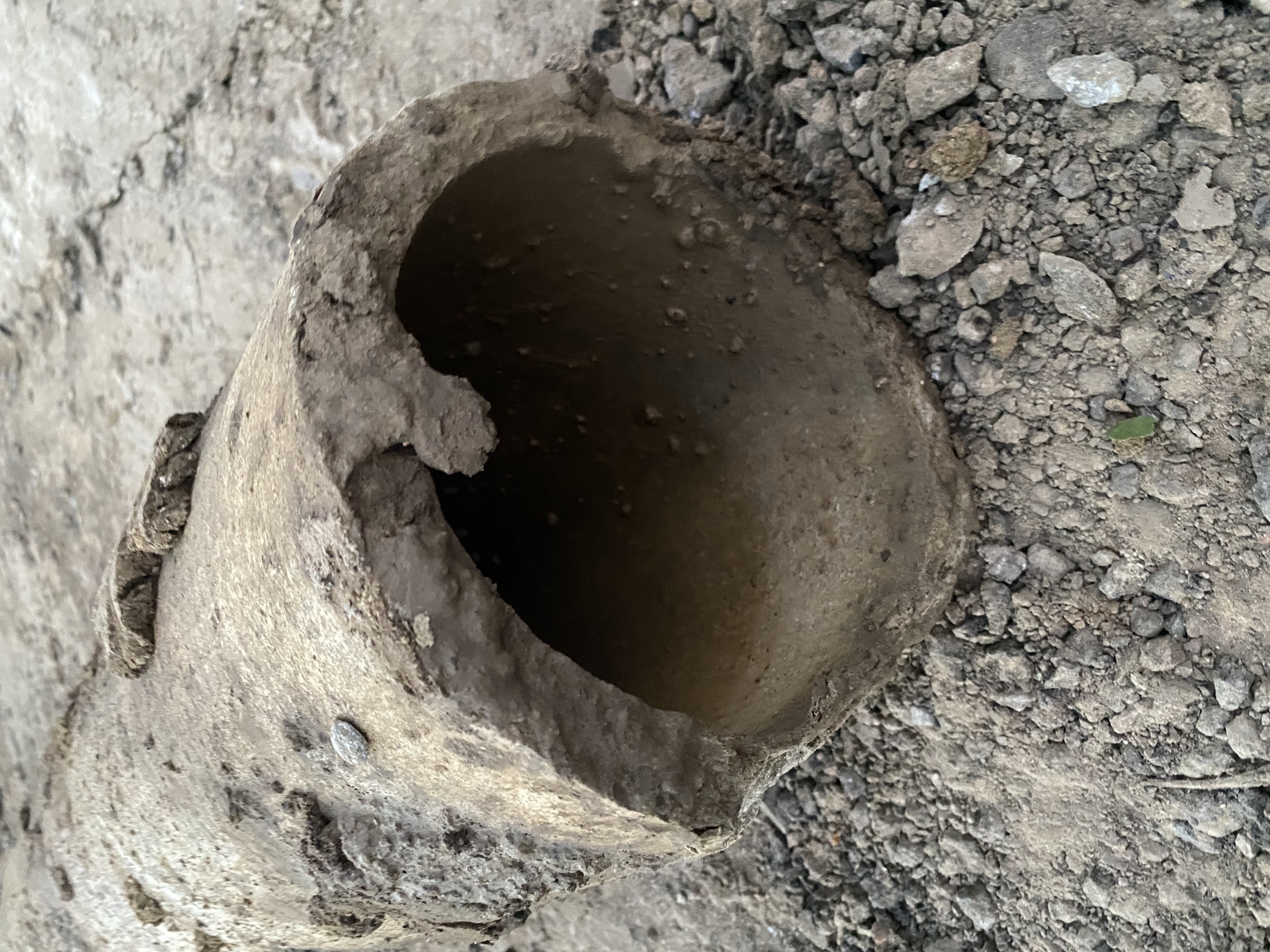
Cement-Asbestos (CA) pipe was installed from the 1940s through the 1970s because it was lightweight, smooth inside, and thought to be nearly maintenance-free. While the asbestos fibers are safely bound within the cement and pose no risk when the pipe remains intact, CA pipe becomes fragile with age. As it nears the end of its life, often 70 years, it can crack, leak, or crumble during repairs, making emergency fixes more challenging. There is about 2 miles of CA pipe in Edgewater, and the estimated cost to replace it all is $4.3 million.
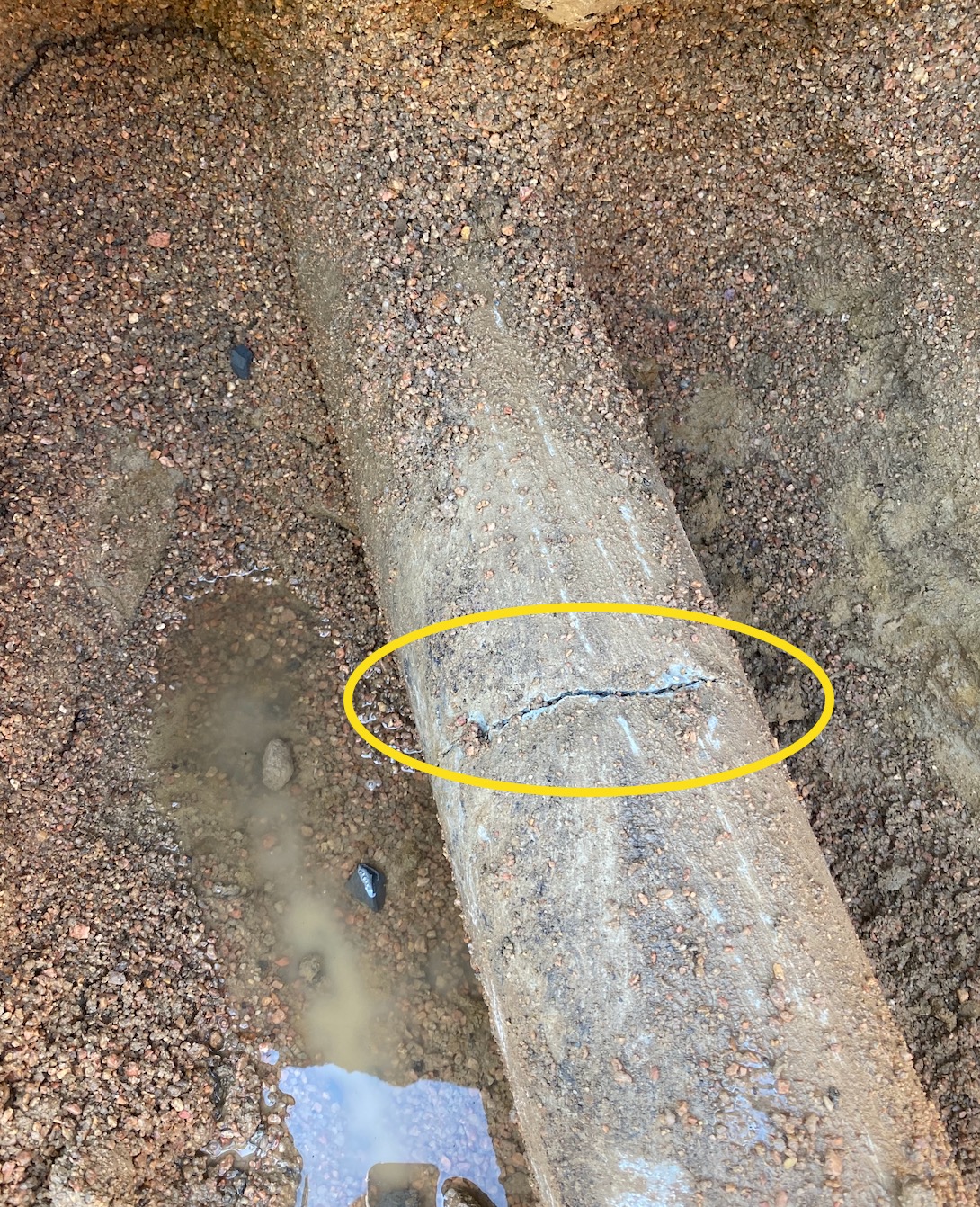
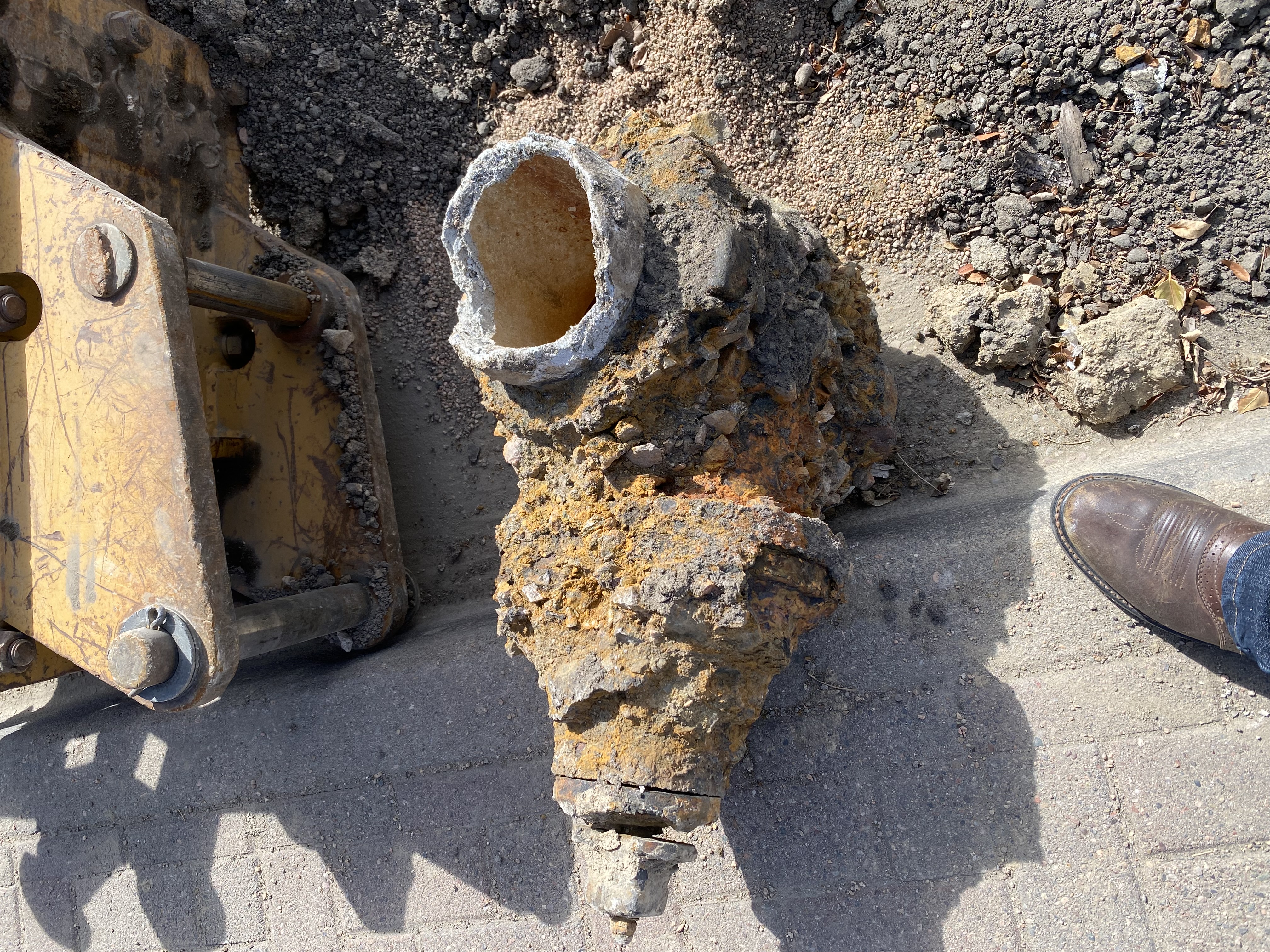
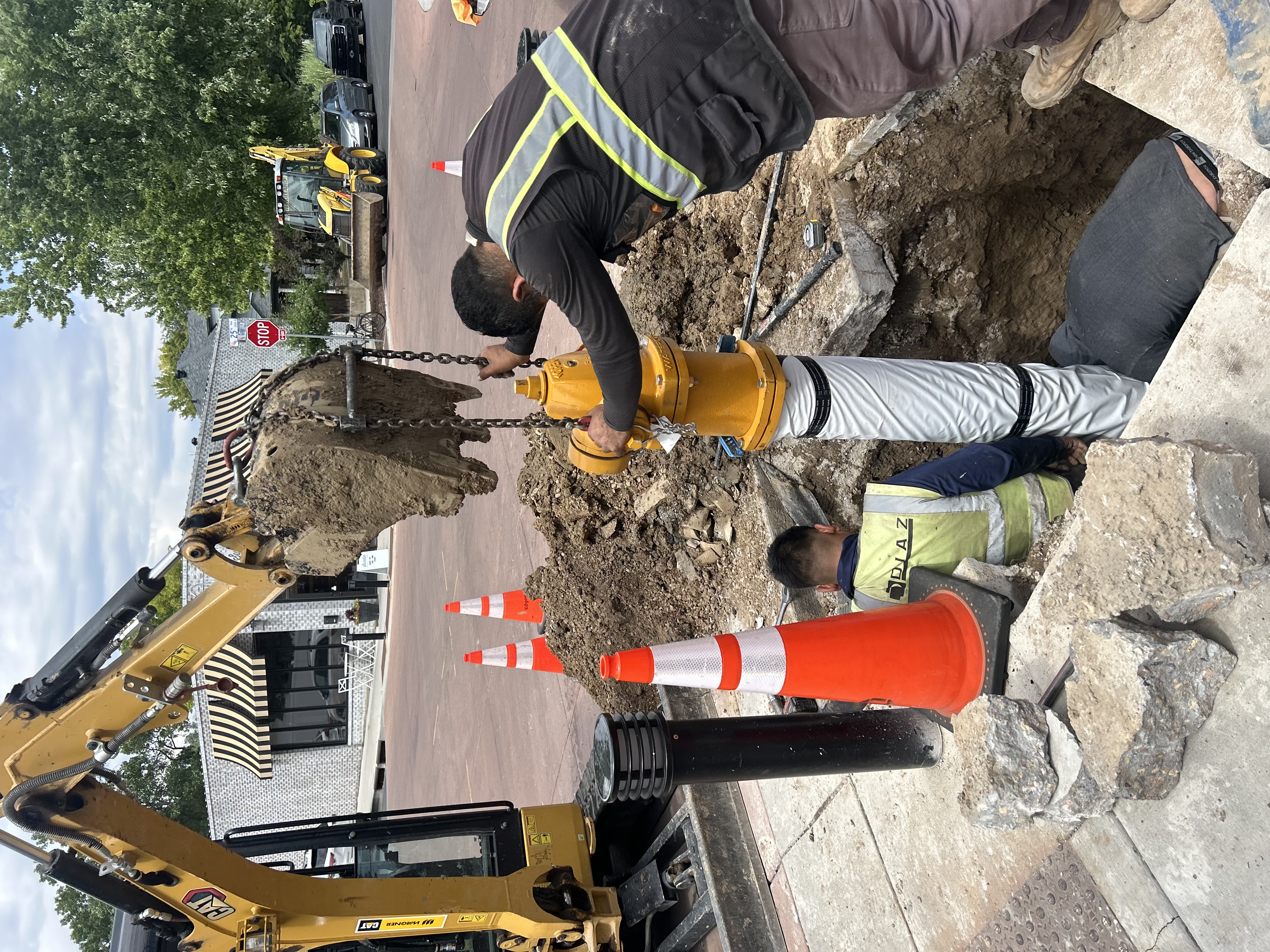
Today, Edgewater has replaced some lines with PVC and HDPE (plastic-based) pipe, which resist corrosion, are easier to repair, and have longer service lives. However, much of the system still relies on the older pipes, valves, hydrants, and fittings that are well beyond their intended lifespan. Replacing these aging components is just as important as replacing the pipes themselves, since they allow crews to isolate breaks, restore service faster, and reduce the number of homes and businesses affected during emergency repairs.
 |
 |
 |

Thank you for your contribution!
Help us reach out to more people in the community
Share this with family and friends